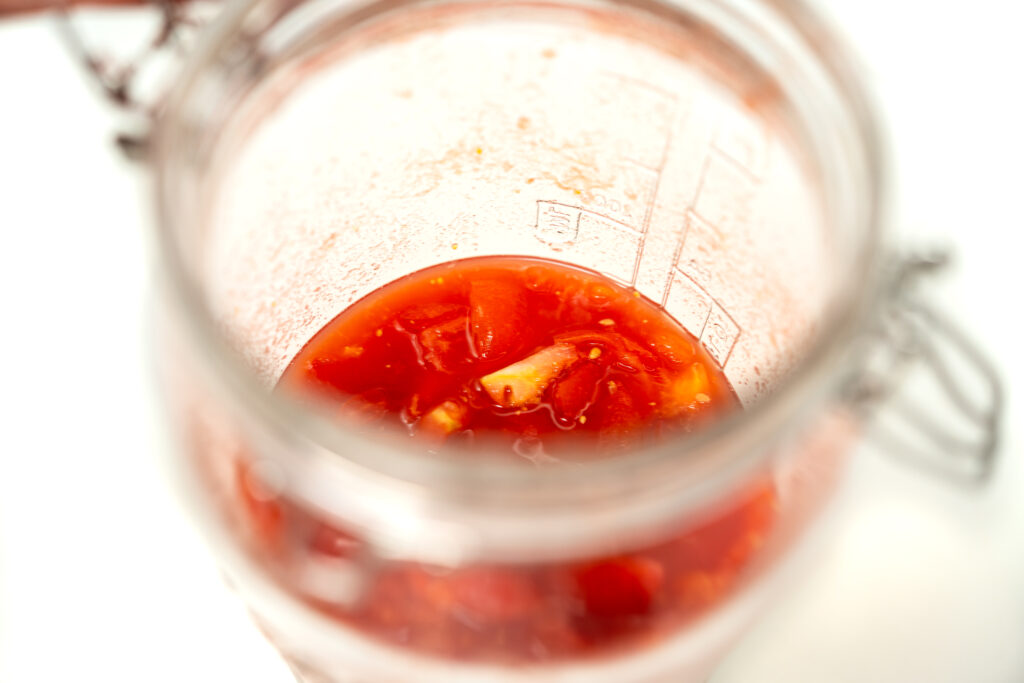
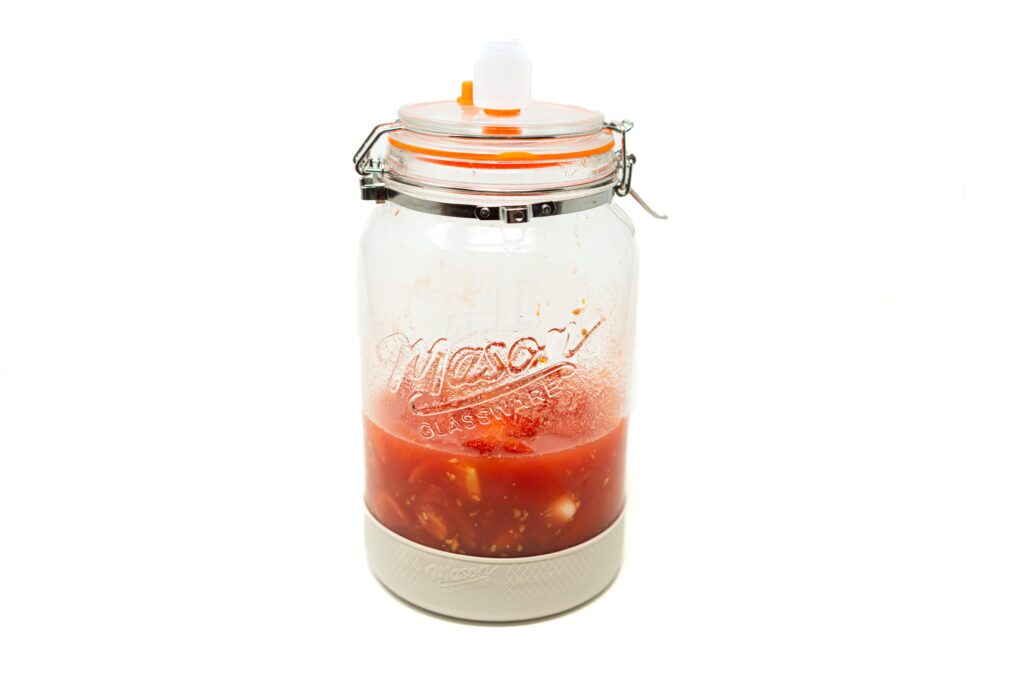
Fermentation itself is more an equation than it is a recipe. It is an exercise in absolute control. To build an environment where lactobacillus thrives and pathogens fail, your salinity is non-negotiable. You do not guess. You weigh.
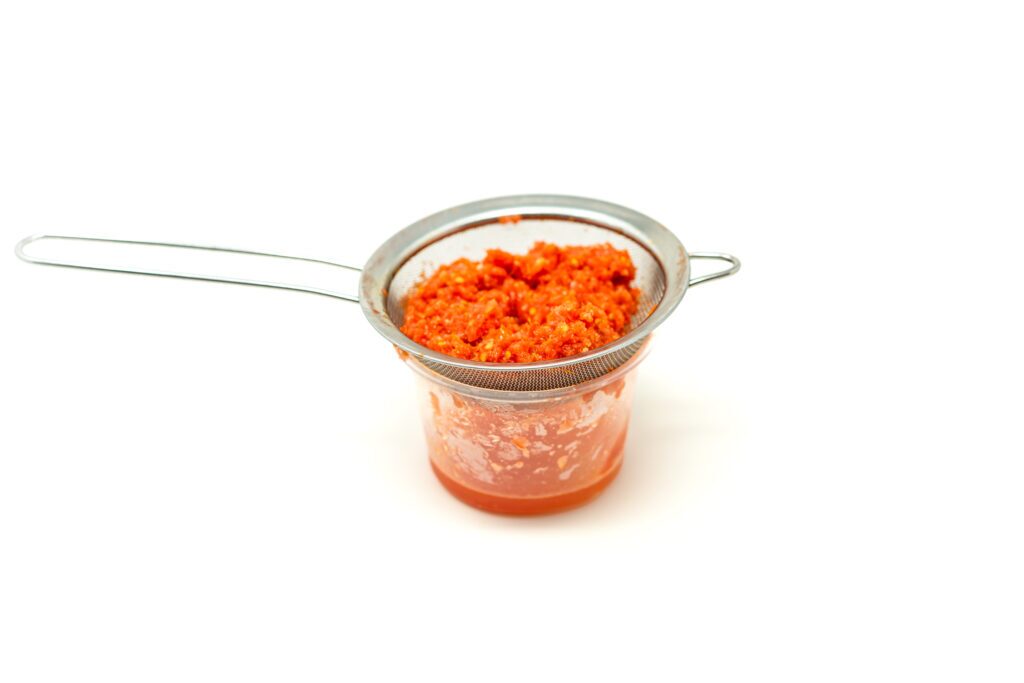
Once the pH bottoms out and the active bubbling slows, the transformation is total. We break the anaerobic seal and pour the wet mass into a fine-mesh sieve set over a clean stainless bowl. We let gravity do the work.
You are left with two distinct, highly volatile assets pulled from a single ingredient. The sharp, pale red liquid drops through the steel mesh—this is the tomato water. Left behind in the sieve is the dense, umami-heavy pulp. Do not discard anything. Zero organic waste. Transfer both yields immediately into the refrigerator, where the sudden temperature drop paralyzes the lactobacillus and locks the flavor profile in place.
4
servings30
minutes96
hoursThis technique forces ripe summer fruit to extract its own brine through dry maceration, eliminating the need for external water. The result is a pure, highly concentrated separation of sharp, kombucha-like liquid and dense, umami-heavy pulp.
Keeps the screen of your device on while you cook
2000 grams tomatoes on the vine, roughly chopped
6 cloves garlic, peeled
50 grams non- iodized salt
Tag @hecooksco on Instagram
Follow @hecooksco on Pinterest
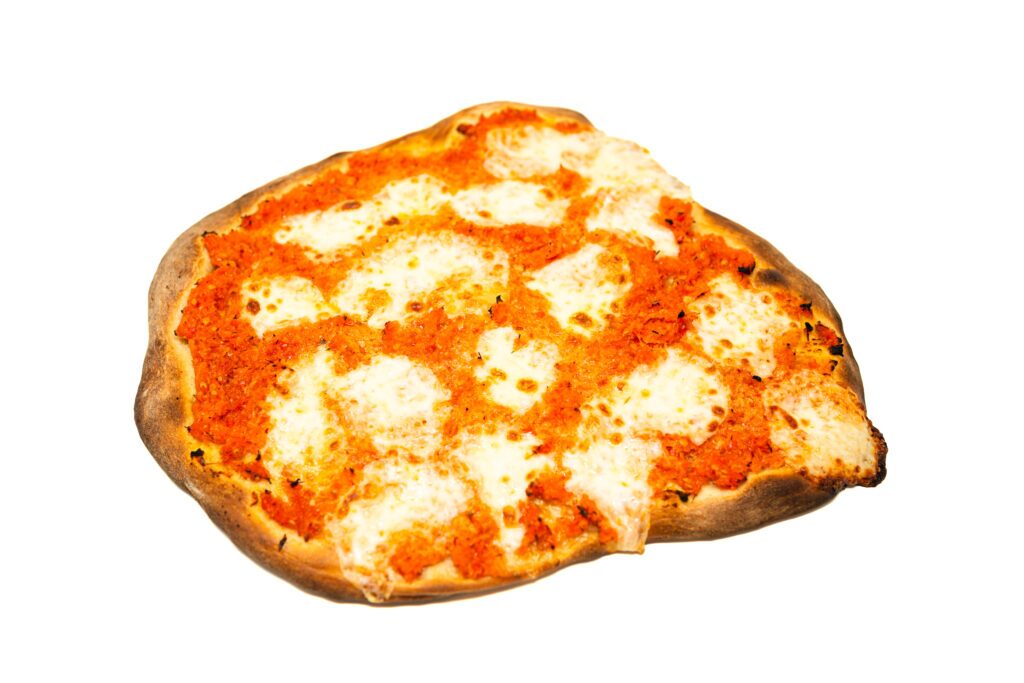
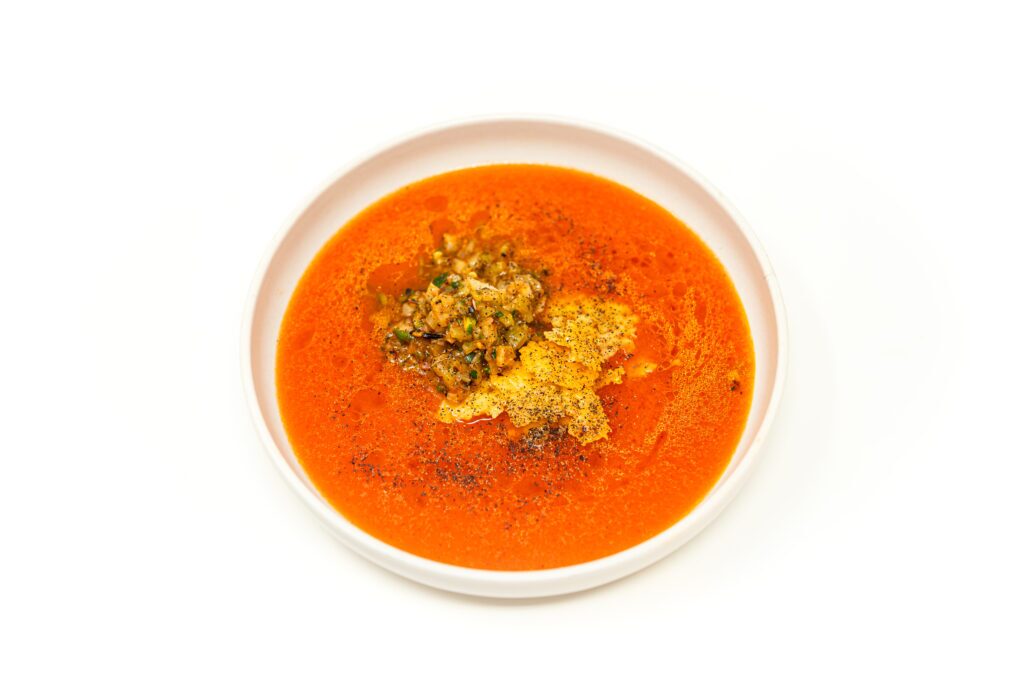
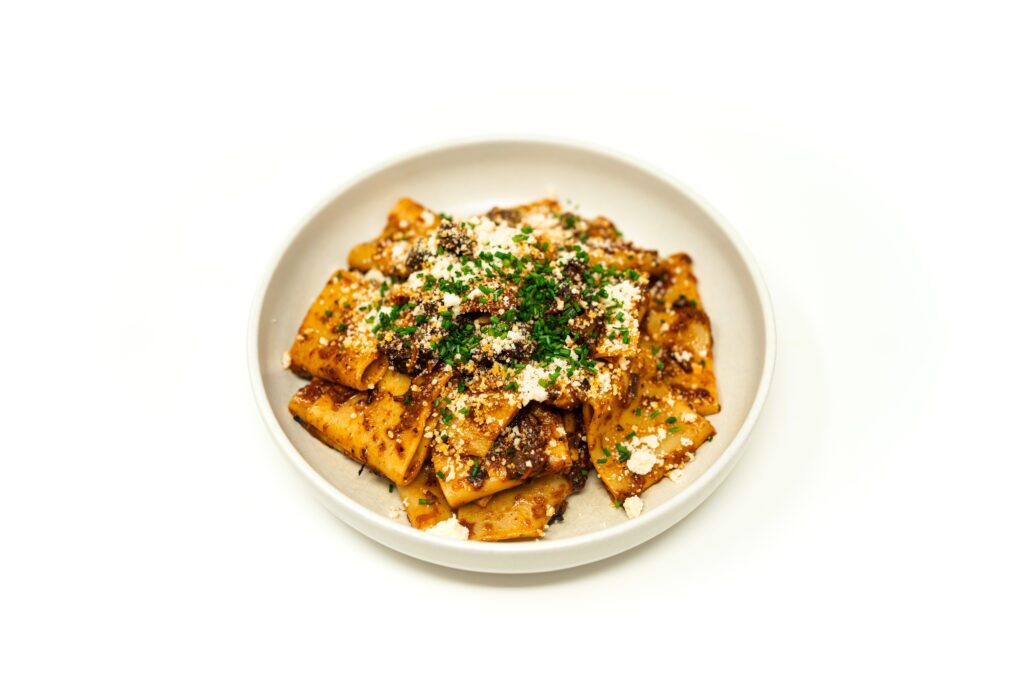
Fermentation is not just about preservation. It is about building highly volatile, concentrated flavor assets. The clear liquid yield acts as a clarified broth. The dense, strained solids become a high-heat paste. The unseparated jar builds a complex, cultured sauce.
Here is exactly how we deploy the yield.
No. The lactobacillus bacteria required for the transformation already exists naturally on the skin of the raw tomatoes and garlic. The 2.5% salinity environment acts as a gatekeeper—it starves out pathogens while allowing the wild lactobacillus to thrive and multiply. You do not need to introduce outside cultures.
You broke the anaerobic seal. Mold requires oxygen to survive. If your ferment develops fuzz, it means organic matter breached the surface of the liquid. You must force the tomato solids completely below the extracted brine using a glass fermentation weight. If mold appears, the batch is compromised. Discard it entirely.
Once the active bubbling slows and the pH bottoms out (typically between 3 to 7 days), the environment becomes highly acidic and hostile to spoilage. Strain the yield and transfer the separated water and pulp into airtight deli containers in the refrigerator. The drastic temperature drop paralyzes the bacteria, locking the flavor profile in place for several months.
Absolutely not. The canning process pasteurizes the fruit, completely annihilating the wild lactobacillus required to initiate fermentation. This technique relies entirely on the live, active bacteria present on the skin of fresh, raw tomatoes.
Never. Iodine is explicitly added to table salt as an antimicrobial agent. If you use it, you will kill the lactobacillus before it ever has a chance to multiply. Use only pure kosher salt or non-iodized sea salt to ensure the bacteria survives.