The Structure of a Muscadine Grape
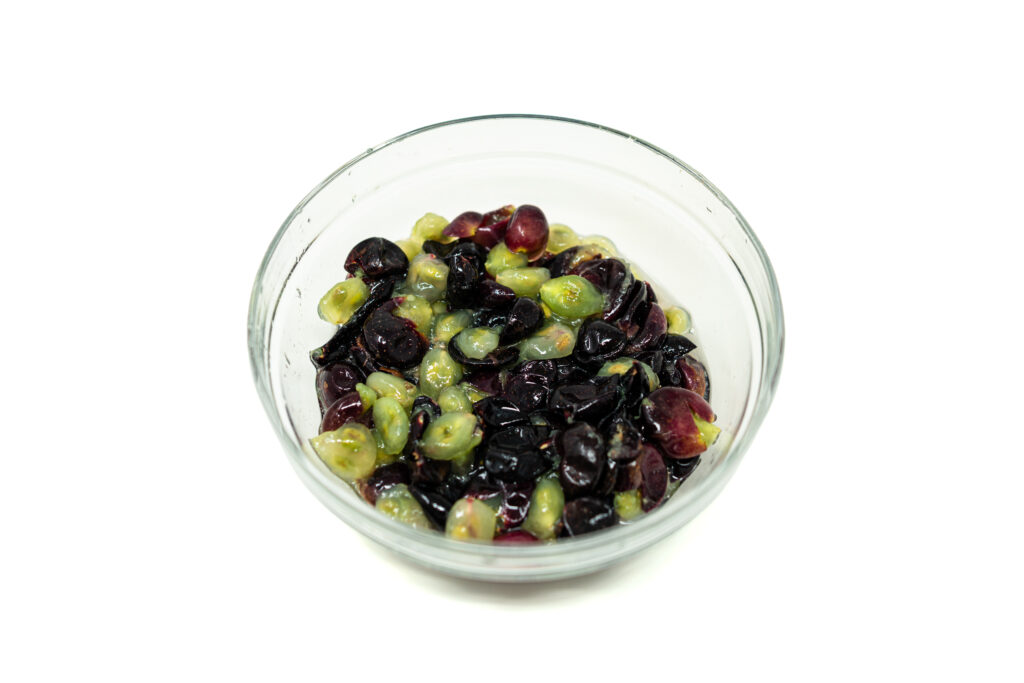
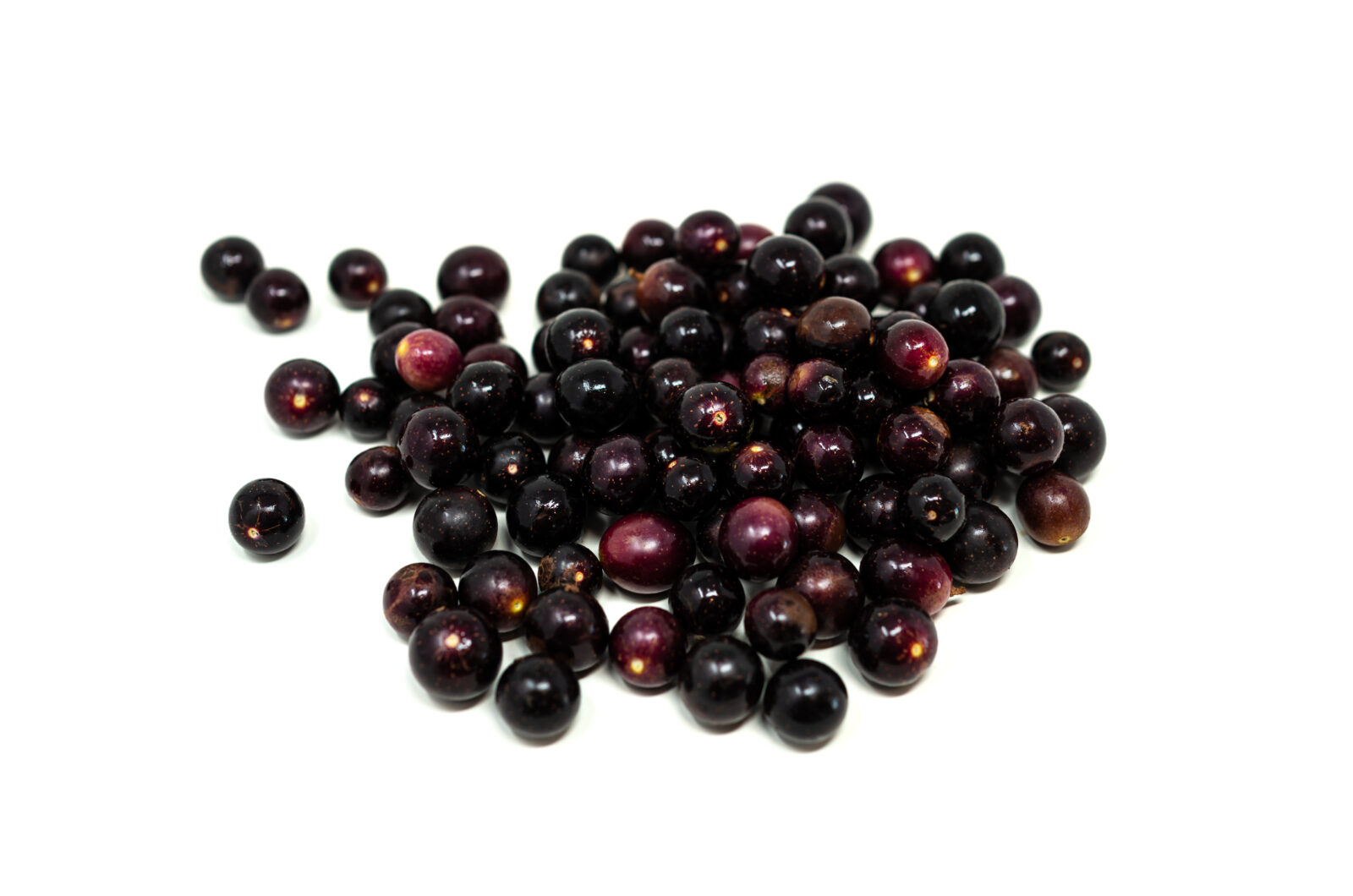
Start by looking at the whole fruit. Muscadine grapes possess a thick, leathery, dark purple exterior that conceals a pale, translucent, gelatinous center. To process them, you must breach the skin. Pinching the fruit forces the inner flesh to slip free from the hull. Keeping both parts in the bowl initially is a deliberate choice. The flesh holds the moisture and the bulk of the natural sugars. The thick skins hold the wild yeast necessary for fermentation and the aggressive tannins that provide structure to the final liquid.
Maceration and Extracting Grape Tannins
Once the hulls and flesh are separated in the glass bowl, lightly crush the mixture. Do not pulverize the seeds. The goal is to break the internal structure of the flesh just enough to release the juice. Letting this crushed mixture sit allows the juice to macerate with the dark skins. During this brief resting period, the liquid begins to pull pigment and tannins from the hulls. Tannins create a subtle astringency on the palate. Without this soaking period, the final fermented liquid would lack the necessary backbone to support the addition of honey.
Crucially, this two to four hour window also gives the wild yeast present on the exterior of the skins time to wash off and suspend in the juice. After this short maceration, use your hands to scoop out and squeeze the thick hulls, leaving as much juice in the bowl as possible. Discard the skins to prevent over-extraction, which would leave a harshly bitter finish.
Hydration and Raw Honey
To turn the crushed fruit and juice into a wild-fermented muscadine cider, introduce filtered water and honey. The water must be filtered. Municipal tap water often contains chlorine or chloramines designed to inhibit microbial growth, which will actively stall the wild yeast you are trying to cultivate. The raw honey serves as a dense, accessible food source for that yeast. When you stir the honey into the filtered water and crushed grapes, the viscosity of the liquid changes. The heavy syrup must fully dissolve to ensure the yeast has uniform access to the fuel.
Wild Fermentation and Time
Cover the bowl loosely to keep out debris while allowing the ambient air to circulate. Leave the mixture at room temperature. Over the next seven to fourteen days, the wild yeast consumes the natural sugars from the muscadine flesh and the honey, producing carbon dioxide and alcohol. The visual activity indicates the transformation is underway. The liquid will actively bubble, then gradually slow down as the alcohol by volume approaches three to five percent. Once the violent bubbling subsides into a slow, steady off-gassing, but before the fermentation halts entirely, pour the mixture through a fine-mesh strainer. Press gently on the solids to extract the remaining liquid, then discard the spent fruit pulp and seeds. The resulting liquid will appear cloudy and opaque.
Bottle Conditioning Cider
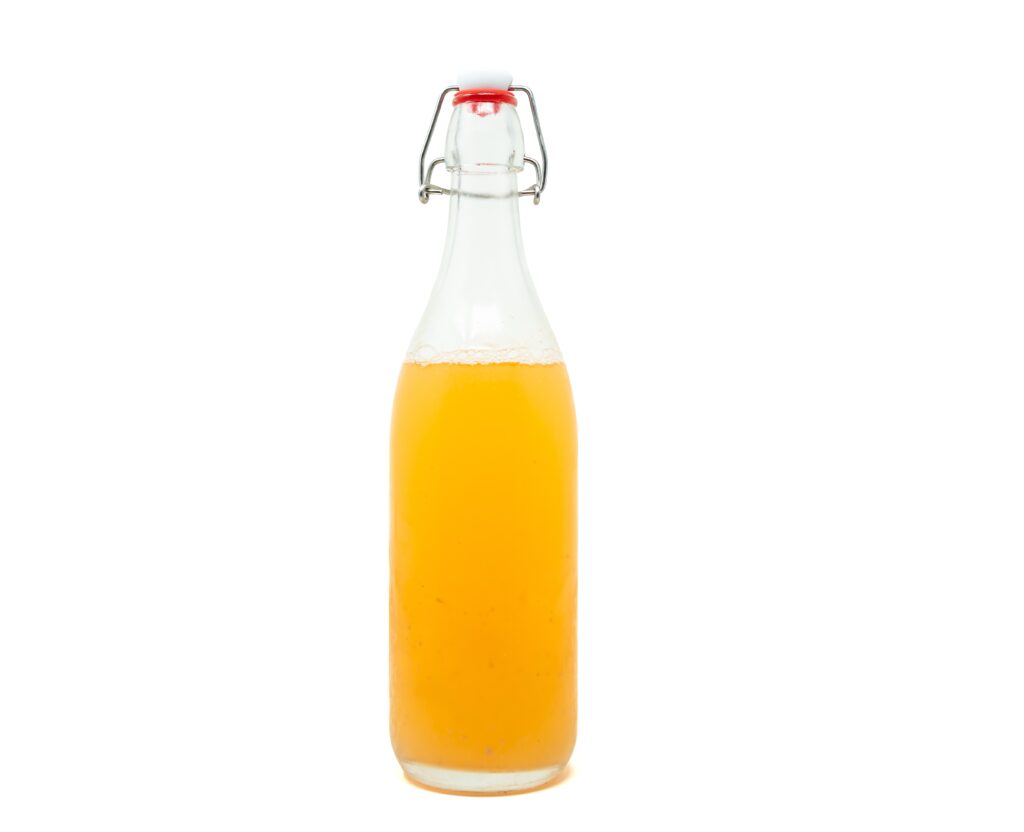
Fermentation in an open vessel allows the carbon dioxide to escape into the air. To force the gas into the liquid and create natural carbonation, you must restrict its exit. Transfer the strained cider into a heavy, pressure-safe swing-top glass bottle. Leave about one inch of headspace at the top of the bottle to allow for gas expansion. Seal the mechanical clasp.
Because you bottled the cider just before the yeast finished its work, it will consume the last remaining sugars in a sealed environment. The carbon dioxide builds pressure and dissolves directly into the cider. Monitor the bottle closely during this phase and release the pressure periodically to prevent the glass from shattering under the stress of the carbonation. Once the cider holds a tight, aggressive carbonation, moving the bottle to a refrigerator will drastically lower the temperature. The cold environment halts the yeast activity and stabilizes the pressure within the liquid, locking in the bubbles until you release the clasp.
Wild-Fermented Muscadine Cider
4
servings30
minutes168
hours168
hours30
minutesMuscadine grapes are separated from their thick hulls and lightly crushed to extract structural tannins before the skins are discarded. The juice and flesh are hydrated with filtered water, fed with raw honey to initiate wild fermentation, and bottled under pressure to trap the resulting carbon dioxide.
Keeps the screen of your device on while you cook
Ingredients
1 pound fresh muscadine grapes (unwashed, to preserve the wild yeast on the skins)
4 cups filtered water (must be free of chlorine and chloramines)
3 tablespoons raw honey
Directions
- Separate and Crush:
- Working over a glass or ceramic bowl, pinch each muscadine grape to force the pale, gelatinous flesh out of the thick purple hull. Keep both the flesh and the hulls in the bowl. Lightly crush the mixture with your hands or a wooden muddler just enough to break the internal structure of the flesh and release the juice. Do not pulverize the seeds.
- Macerate:
- Allow the crushed fruit and skins to sit at room temperature for 2 to 4 hours. This brief resting period allows the juice to remain in direct contact with the dark hulls, pulling out the pigment and structural tannins necessary to balance the final cider. Crucially, this window gives the wild yeast present on the exterior of the skins time to wash off and suspend in the juice.
- Hydrate and Feed:
- After macerating, use your hands to scoop out and squeeze the thick hulls, leaving as much juice in the bowl as possible. Discard the skins. Pour the filtered water over the remaining juice, flesh, and seeds. Add the raw honey and stir thoroughly until the heavy syrup is completely dissolved.
- Primary Fermentation:
- Cover the bowl loosely with a clean kitchen towel or cheesecloth to keep out debris while allowing ambient air to circulate. Leave it at room temperature. Stir the mixture vigorously once a day to submerge the floating skins and prevent mold. Over the next 7 to 14 days, the wild yeast will consume the natural sugars and honey, converting them into alcohol and carbon dioxide. The liquid will actively bubble, then gradually slow down as the ABV increases.
- Strain:
- Once the bubbling has subsided into a slow, steady off-gassing—but before the fermentation halts entirely—pour the mixture through a fine-mesh strainer into a clean pitcher. Press gently on the solids to extract the remaining liquid, then discard the spent skins and seeds. The resulting liquid will be cloudy and opaque.
- Bottle:
- Transfer the strained cider into heavy, pressure-safe swing-top glass bottles. Leave about one inch of headspace at the top of the bottle to allow for gas expansion. Seal the mechanical clasp.
- Carbonate and Chill:
- Leave the sealed bottles at room temperature. Because you bottled the cider just before the yeast finished its work, it will consume the last remaining sugars in a sealed environment. The resulting carbon dioxide cannot escape, so it dissolves directly into the cider to create natural carbonation. Monitor the bottles closely over the next 2 to 4 days, briefly opening the clasp (“burping” the bottle) daily to gauge the pressure. Once the cider holds a tight, aggressive carbonation, transfer the bottles to the refrigerator. The drastic drop in temperature forces the yeast into dormancy, halting fermentation and locking in the bubbles. Serve cold.
Did you make this recipe?
Tag @hecooksco on Instagram
Like this recipe?
Follow @hecooksco on Pinterest
Frequently Asked Questions
Why must the muscadine skins be discarded after a short maceration instead of fermenting in the liquid?
Muscadine skins are exceptionally thick and heavily loaded with tannins. Leaving them in the liquid for the entire fermentation process would result in over-extraction, overpowering the delicate floral notes of the grape flesh and leaving a harshly bitter finish. A short maceration provides enough time to extract the necessary wild yeast and structural backbone before the skins are removed.
Why must the water be filtered before adding it to the crushed muscadine grapes?
Tap water often contains chlorine or chloramines used for sanitation. These chemicals are designed to kill microorganisms and will destroy the natural wild yeast present in the juice, preventing the wild-fermented muscadine cider from developing.
Why is the raw honey added after the initial maceration period?
Adding the raw honey along with the filtered water ensures the heavy syrup is completely dissolved into a uniform liquid. This provides the suspended wild yeast with consistent, accessible fuel to drive the fermentation process steadily over the following weeks.
Why use a swing-top glass bottle for the final stage of bottle conditioning cider?
A mechanical swing-top closure creates an airtight seal that traps the carbon dioxide produced by the actively fermenting yeast. Because the gas cannot escape, it builds pressure and dissolves back into the liquid, creating tight, natural carbonation.
How does temperature affect the natural carbonation process in the sealed bottle?
Keeping the sealed bottle at room temperature encourages the yeast to rapidly consume the remaining sugars and produce carbon dioxide. Moving the bottle to a cold environment, such as a refrigerator, drops the temperature enough to force the yeast into dormancy, halting gas production and stabilizing the pressure.