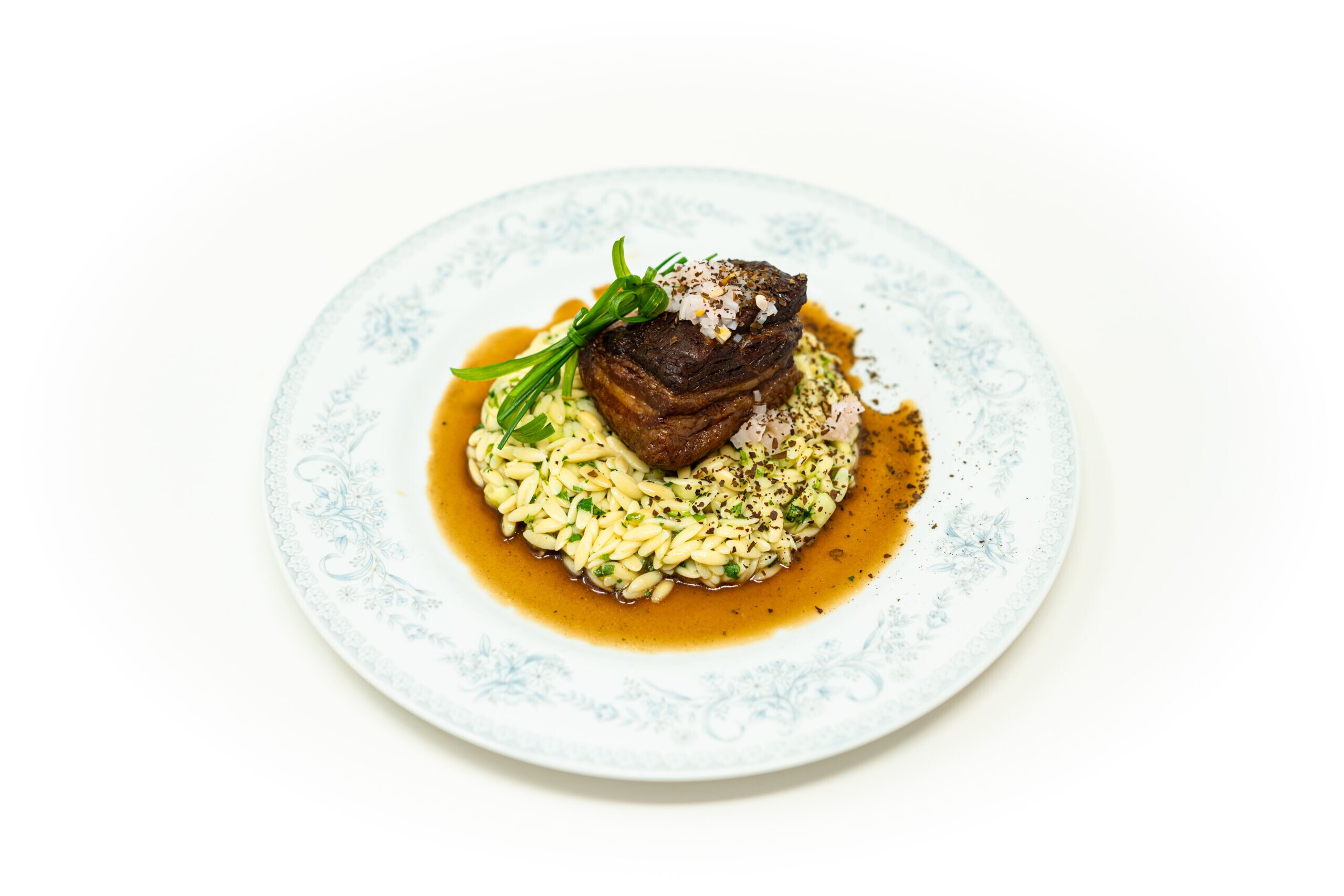
The Science of the Dry-Brined Filet Mignon
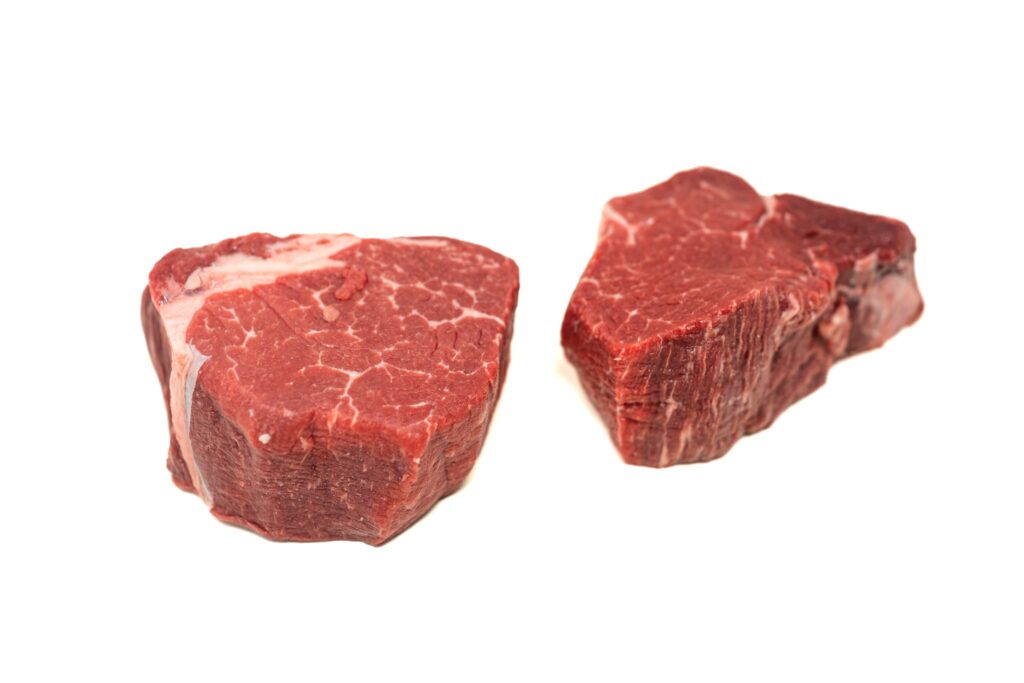
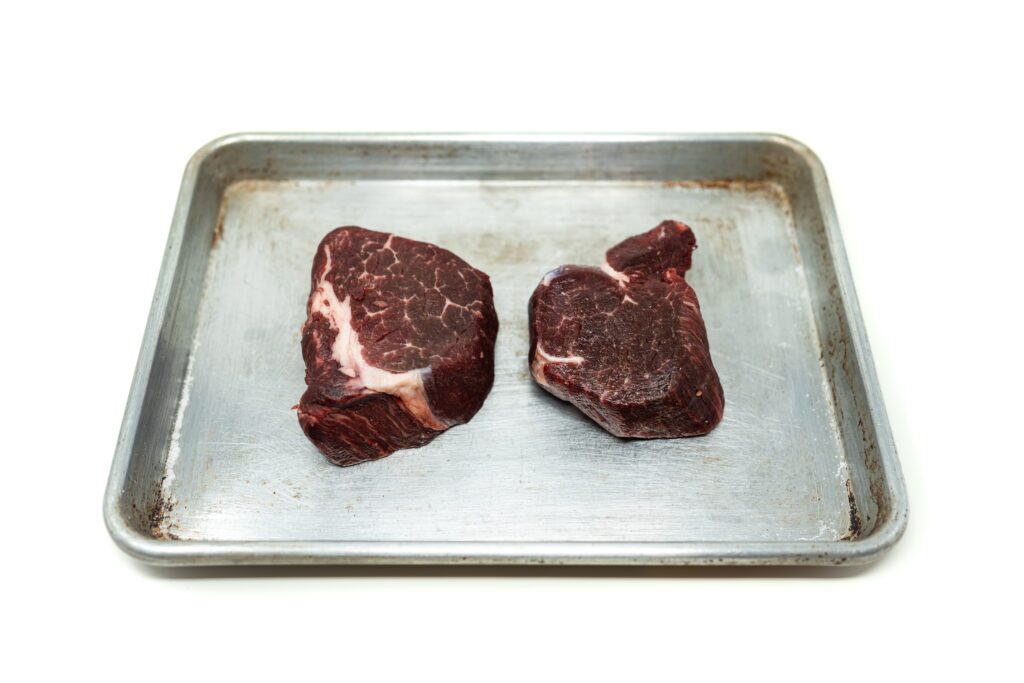
Cooking a center-cut tenderloin steak requires more than just high heat. To achieve a professional-grade crust, you must address the moisture on the surface of the meat. This recipe starts 24 hours before the heat touches the pan. By applying a precise amount of kosher salt to the raw steak and letting it sit uncovered in the refrigerator, you initiate a process known as dry-brining.
The salt first draws moisture out of the meat through osmosis. That moisture dissolves the salt and then is reabsorbed into the muscle fibers, seasoning the steak deeply. Simultaneously, the cold air of the refrigerator dries out the exterior of the beef. This is critical because moisture is the enemy of a good sear. If the surface is wet, the energy of the pan is wasted evaporating water instead of browning the meat. A dry-brined filet mignon hits the pan ready to undergo the Maillard reaction immediately.
Mastering the Maillard Reaction and Pan Sear
When you place the dry-brined filet mignon into a smoking hot cast iron skillet, the amino acids and sugars in the beef transform. You are looking for a dark mahogany crust, not a grey, steamed surface. Use a high-smoke point oil like avocado oil to ensure the fat does not break down and turn bitter before the steak is finished.
After the initial sear, the addition of butter, smashed garlic, and thyme serves a dual purpose. The butter lowers the overall temperature of the pan slightly to prevent burning while the fat carries the fat-soluble aromatics of the herbs directly into the crust of the meat. Basting the steak ensures that the heat is distributed evenly across the top and sides, resulting in a consistent internal temperature.
Watch the Step-by-Step
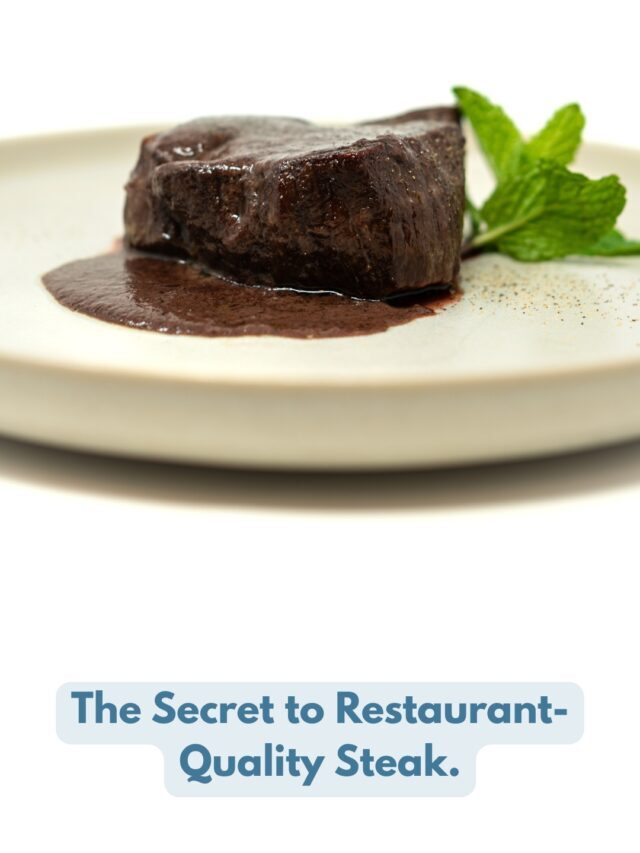
Developing the Red Wine Dijon Pan Sauce
Once the steaks are removed to rest, the pan contains concentrated beef essence known as fond. These are the caramelized bits stuck to the bottom of the skillet. You will recover this flavor by deglazing with a dry red wine. The alcohol and acidity of the wine act as a solvent, lifting the fond into the liquid.
The inclusion of Dijon mustard provides more than just flavor. It acts as a natural emulsifier. The mustard helps the red wine reduction and the cold butter bind together into a smooth, velvety sauce that will not break. This sauce is high in acidity, which is essential when serving a rich cut like center-cut tenderloin. The sharp “zing” of the mustard and the tannins in the wine cut through the fat, cleansing the palate between bites.
This process respects the integrity of the beef while using basic chemical principles to maximize flavor and texture. Skip the garnishes and focus on the crust and the emulsion. That is where the real quality of the dish lies.
Dry-Brined Filet Mignon with Red Wine Dijon Pan Sauce
2
servings24
hours30
minutes10
minutes24
hours40
minutesThis recipe utilizes a 24-hour dry brine to maximize the Maillard reaction for a superior crust. The accompanying pan sauce leverages the acidity of Dijon and red wine to cut through the intense richness of the center-cut tenderloin.
Keeps the screen of your device on while you cook
Ingredients
2 filets center-cut tenderloin steak
1 tablespoon salt
1 teaspoon ground black pepper
2 cloves garlic, smashed
1 sprig rosemary
1 tablespoon avocado oil
1/2 cup red wine
1/2 cup beef broth
1 tablespoon Dijon mustard
3 tablespoons unsalted butter, divided
Directions
- Dry Brine Overnight:
- Pat the steaks completely dry with paper towels. Season generously with salt on all sides. Place steaks on a wire rack over a rimmed baking sheet. Refrigerate uncovered for 24 hours. This dries the surface to ensure a deep, dark crust while tenderizing the meat.
- Sear the Steak:
- Pull the steaks from the fridge 30 minutes before cooking to bring them to room temperature. Season with ground black pepper. Heat a cast-iron skillet over high heat. Once hot, drizzle with the avocado oil and sear the steaks for 3–4 minutes on the first side. Flip the steaks, and add 2 tablespoons of butter, garlic, and thyme. Tilt the pan and spoon the foaming butter over the steaks for 1–2 minutes. Remove to a plate and let rest for at least 5 minutes.
- Make the Red Wine Dijon Sauce:
- Add the red wine and beef stock to the pan over medium-high heat, scraping the bottom to release the flavor. Whisk in the Dijon mustard and simmer until the liquid reduces by half and coats the back of a spoon. Turn off the heat and whisk in the cold butter until the sauce is glossy.
- Serve:
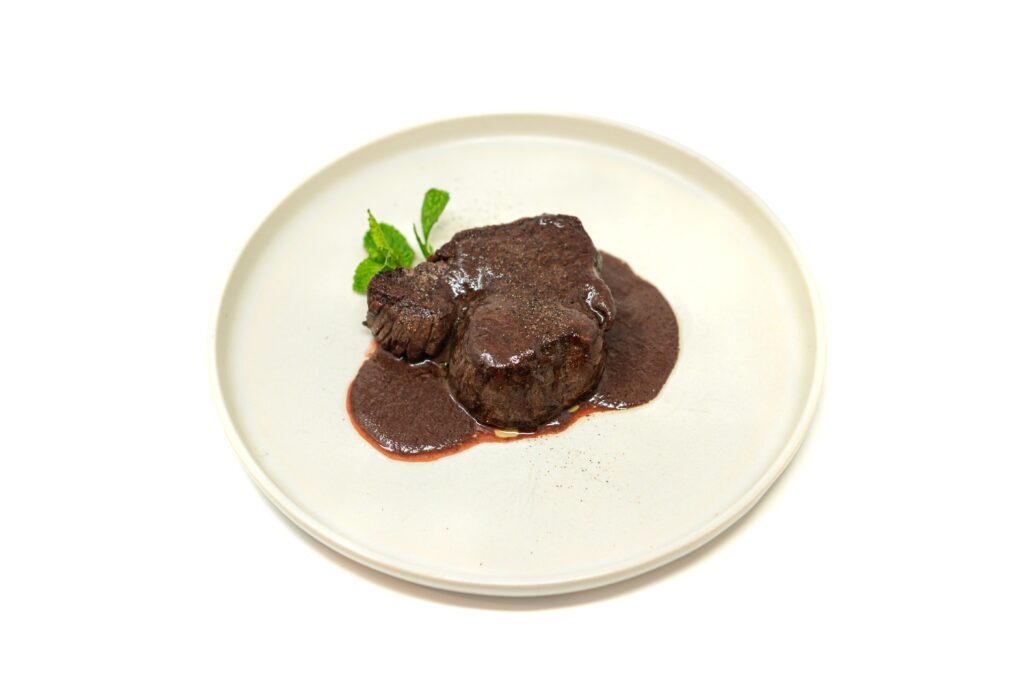
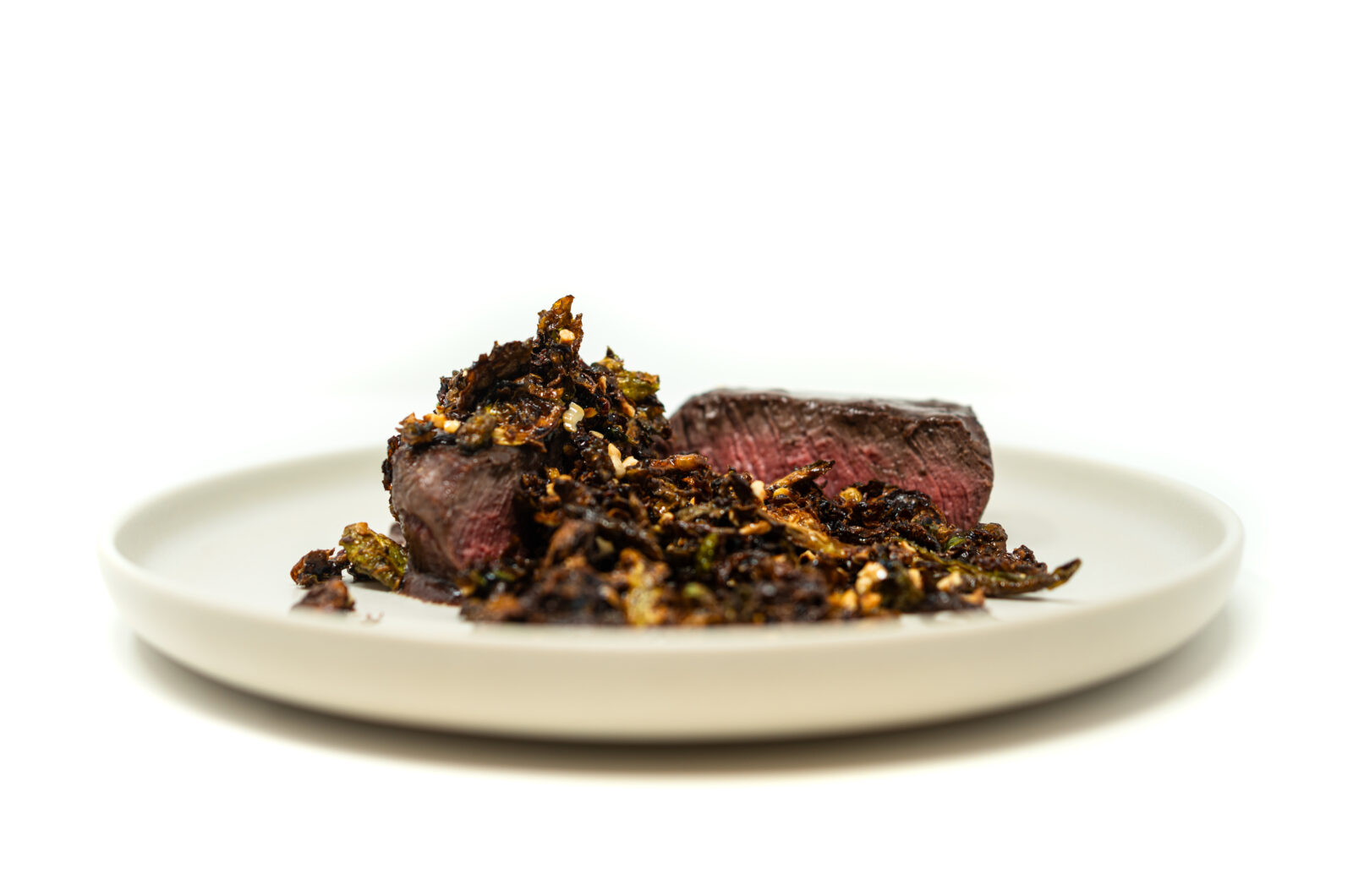
- Slice the steak (as seen in your cross-section photo) or serve whole. Generously spoon the red wine dijon sauce over the meat and garnish with fresh mint, if desired.
Notes
- When finishing the pan sauce, the butter must be cold. Whisking cold fat into a hot reduction creates a stable emulsion. If the butter is warm or room temperature, the sauce is likely to “break,” leaving you with a greasy puddle instead of a velvety glaze.
- A center-cut tenderloin is dense. Even after you pull it from the pan, the internal temperature will continue to rise by 5°F to 7°F while resting. Pull your steaks at 125°F for a perfect 130°F to 132°F medium-rare.
Did you make this recipe?
Tag @hecooksco on Instagram
Like this recipe?
Follow @hecooksco on Pinterest
Dry-Brined Filet Mignon with Red Wine Dijon Sauce Kitchen Notes
How long should I dry brine the filet?
Overnight is ideal, but even 4 to 6 hours helps. Salt the steak, place it on a rack (or plate) uncovered in the fridge, and let time do the work. You get deeper seasoning, a drier surface for a better sear, and a more tender bite.
How much salt should I use for dry brining?
A light, even coat is the goal, not a crust. Think a few good pinches per steak, spread across all sides. If you are using a very fine salt, use a little less. If you are using kosher salt, you can be slightly more generous.
What is the best pan and fat for searing filet mignon?
Cast iron is the easiest path to a hard, even sear. Use a high smoke point oil to start, then finish with butter in the last minute for basting. Keep the heat steady and let the crust form before you move the steak.
How do I know when the filet is cooked to medium-rare?
Use an instant-read thermometer. Pull the steak at about 125 to 128 F for medium-rare, then rest it 5 to 10 minutes. Carryover heat will finish the job and the juices will settle back in.
What kind of red wine should I use for the sauce?
Use a dry red you would actually drink. Cabernet, merlot, syrah, or a solid blend all work. Avoid sweet reds. If the wine tastes flat in the glass, it will taste flat in the sauce.
Does Dijon mustard make the sauce spicy?
Not really. Dijon brings tang, depth, and a gentle heat that reads more as sharpness than spice. If you want it milder, use less Dijon and finish with a small knob of butter to round it out.
How do I know when the red wine Dijon sauce is finished?
Look for a glossy, lightly thickened texture that coats the back of a spoon. If you drag a finger through the sauce on the spoon, the line should hold for a moment before slowly closing. If it looks thin and watery, reduce a bit longer.
Can I make the sauce ahead of time?
Yes. Make it, cool it, and refrigerate. Rewarm gently over low heat and loosen with a splash of stock or water if needed. If you finish with butter, add it at the end while reheating so it stays silky.