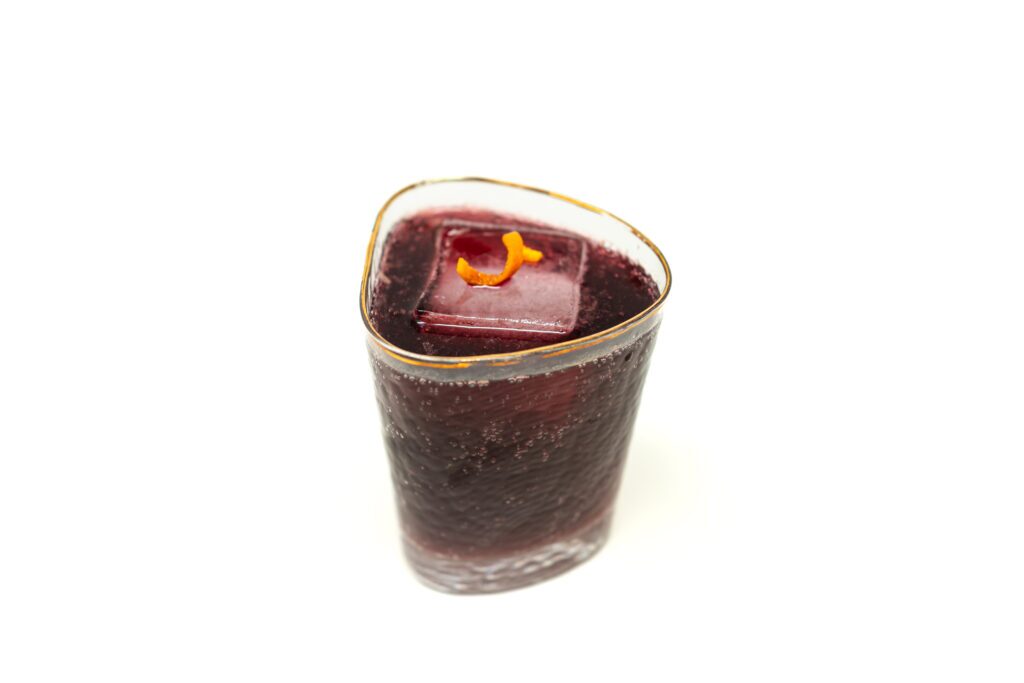
The glass stays cold, but the flavors get darker. A traditional Slovenian red wine spritzer usually relies on the blunt force of orange soda to do the heavy lifting. It is a sugary, nostalgic drink found in roadside taverns across the Balkans. But when you strip away the neon syrup and replace it with raw ingredients, the drink demands a stabilizer. That is where the bitters come in. Adding two heavy dashes of orange bitters to the mix provides a bridge between the bright citrus and the peppery depth of the wine. It transforms a simple spritzer into a focused, botanical orange bitters cocktail.
Sourcing the Halozan Red Blend
The base of this drink is the Halozan red blend. This is a liter format field blend from the Stajerska region. It is a wine that does not apologize for its youth. It is vibrant, slightly peppery, and carries enough acid to stand up to heavy dilution. This bottle is a pillar of Slovenian wine culture. When you pour it over solid ice, the cold tightens the structure of the wine. It becomes the perfect candidate for a high volume club soda wine mixer. You want a wine that can handle being pushed.

The Tension of Orange Bitters
Bitters are concentrated botanical extractions. In this Slovenian red wine spritzer, they act as an aromatic anchor. While the freshly squeezed orange juice provides the immediate hit of acid and natural sugar, the bitters introduce a subtle, woody bitterness. This bitterness cuts through the weight of the red wine and prevents the orange juice from becoming cloying. Two dashes are enough to release a cloud of dried peel, cardamom, and gentian root into the glass. The smell is immediate and aggressive.
Mechanics of the Fresh Orange Juice Cocktail
Texture matters as much as flavor. Squeezing the orange by hand preserves the volatile oils and the fine pulp that a commercial juice lacks. This pulp creates a beautiful, hazy suspension in the glass when it meets the dark red liquid. This is the hallmark of a true fresh orange juice cocktail. It looks raw because it is raw. The cloudiness of the juice catches the light, turning the deep purple wine into a glowing, ruby-colored haze.
The Aggressive Pour
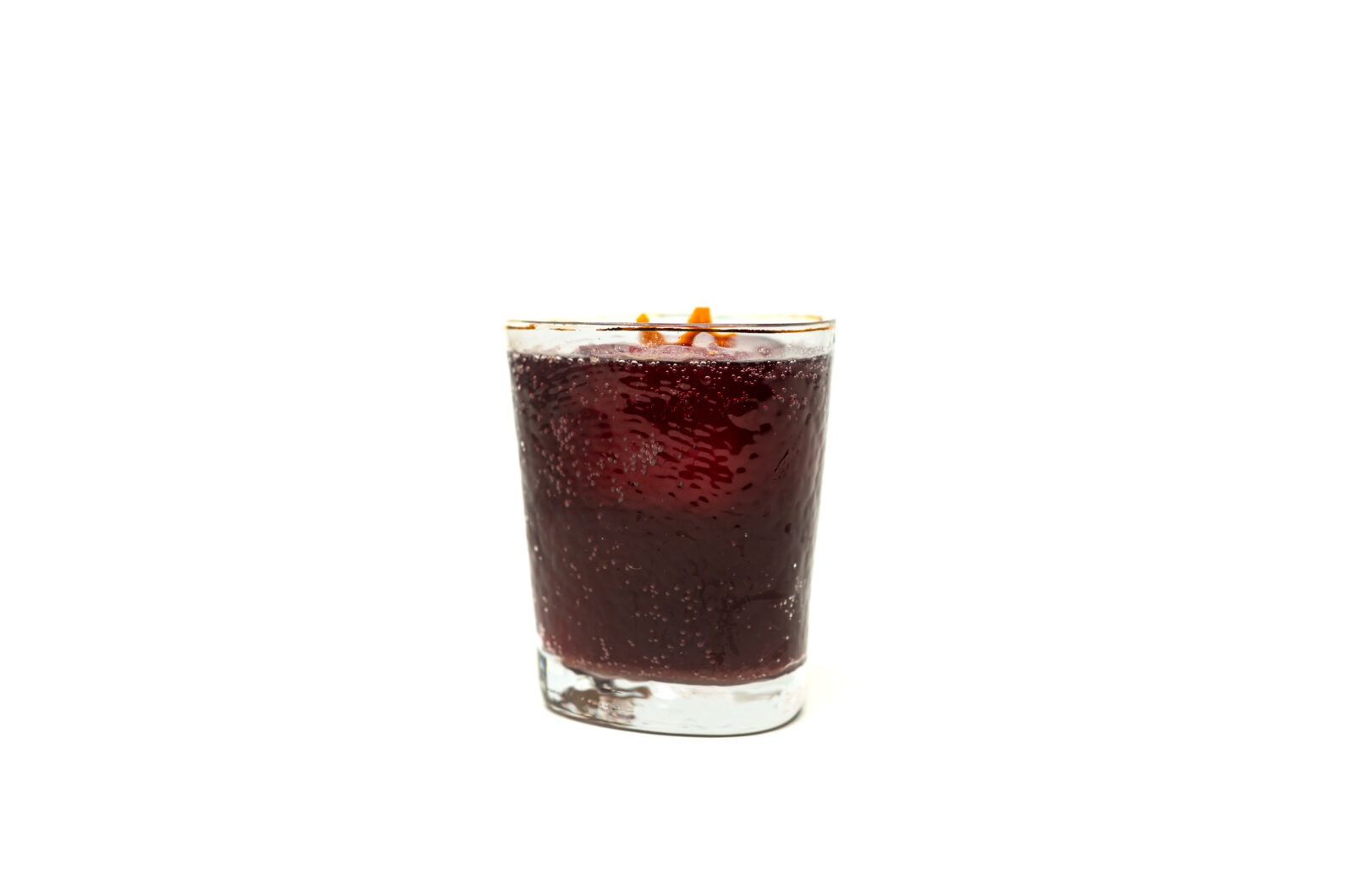
Carbonation is the final ingredient. You do not stir this drink with a spoon. You let the physics of the pour do the work. Once the wine, juice, and bitters are settled at the bottom of the glass, you hit it with cold club soda. The carbon dioxide bubbles latch onto the heavier liquids and carry them to the top of the ice. The sound of the fizz is sharp and constant. It creates a drink that is physically active in the glass, constantly refreshing itself with every bubble that breaks the surface.
The Source: Ptujska Klet
This spritzer is built on a bottle of Halozan from Ptujska Klet. Located in Ptuj, this is the oldest wine cellar in Slovenia. Its history stretches back to 1239. For nearly eight centuries, these stone walls have seen the evolution of Stajerska viticulture. This isn’t just a liter of wine. It is a liquid timeline of a region that treats its table wine with the same respect as its grand vintages.
Explore the WineryFinishing with Essential Oils
The final step is the most cinematic. You carve a thick strip of rind from the orange and pinch it sharply over the rim. You can see the fine mist of oils settle onto the surface of the drink. It provides a sharp, clean scent that clears the palate before the first sip. This spritzer is not about masking the wine. It is about highlighting the environment where the wine is grown. It is cold, sharp, and intensely aromatic.
Slovenian Red Wine Orange Spritzer
1
servings5
minutesA high-acid red wine meets the sharp complexity of botanical bitters and raw citrus. This refined build replaces synthetic sugars with the aggressive carbonation of club soda and the deep, spiced aromatics of the orange grove.
Keeps the screen of your device on while you cook
Ingredients
4 ounces Slovenian red wine (Halozan or similar high-acid field blend)
2 ounces club soda, chilled
2 ounces orange juice, freshly squeezed
2 dashes orange bitters
for garnish, orange peel
ice
Directions
- Juice the Fruit:
- Squeeze half a large orange until you have two ounces of cloudy, raw juice.
- Build the Drink:
- Fill a rocks glass with large, solid ice cubes. Pour the red wine over the ice, followed by the fresh orange juice and two heavy dashes of orange bitters.
- Pour the chilled club soda directly into the center of the glass. The force of the carbonation will naturally mix the ingredients without the need for a spoon.
- Garnish and Serve:
- Pinch the orange peel over the glass to release the oils. Drop the peel in and serve immediately.
Did you make this recipe?
Tag @hecooksco on Instagram
Like this recipe?
Follow @hecooksco on Pinterest
Frequently Asked Questions
What do orange bitters add to a Slovenian red wine spritzer?
Bitters provide a botanical complexity that balances the natural sweetness of the juice and the fruitiness of the wine. They act as a bridge between the ingredients, turning a simple mix into a layered orange bitters cocktail with a sophisticated, slightly spiced finish.
Can I use a different wine for this club soda wine mixer?
Yes, but you must choose a young, high-acid red wine with minimal oak. A Halozan red blend is traditional, but a bright Gamay or a light Pinot Noir will also work. Avoid heavy, tannic wines like Cabernet, as they become unpleasantly metallic when carbonated.
Why is freshly squeezed juice better for a fresh orange juice cocktail?
Bottled juices are pasteurized, which removes the volatile aromatic compounds found in raw fruit. Freshly squeezed juice contains natural oils and a hazy texture that provides a superior mouthfeel and a sharper acidic bite against the weight of the red wine.
How does carbonation affect the flavor of the red wine?
The bubbles in a club soda wine mixer physically lift the aromatic molecules of the wine to the surface. This makes the fruit notes feel more vibrant and aggressive on the palate while the carbonic acid provides a refreshing, crisp texture that cleanses the tongue.
What is the best way to garnish this spritzer?
Always use a fresh orange peel. Expressing the oils directly over the glass ensures that the first thing you perceive is the clean, bright scent of the citrus grove. This sensory layer is essential for an elevated drinking experience.